Finding offline hobbies can feel surprisingly difficult.
Not because there aren’t enough options, but because so much of modern life now happens through screens. We work on laptops, communicate through messaging apps, watch entertainment on streaming services, and spend our spare moments scrolling through social media.
Before long, entire days can pass without us spending much time fully engaged with the physical world around us.
That’s one of the reasons offline hobbies have become so appealing.
They give our attention somewhere else to go.
Whether you’re looking to reduce screen time, embrace a slower lifestyle, or simply find a hobby that feels more satisfying than endlessly refreshing your phone, there are plenty of screen-free activities worth exploring.
The best offline hobbies for adults aren’t necessarily productive. They don’t need to generate income or turn into side hustles. Sometimes it’s enough that they help you slow down, focus on one thing at a time, and enjoy the process.
Here are some of the best places to start.
Reading
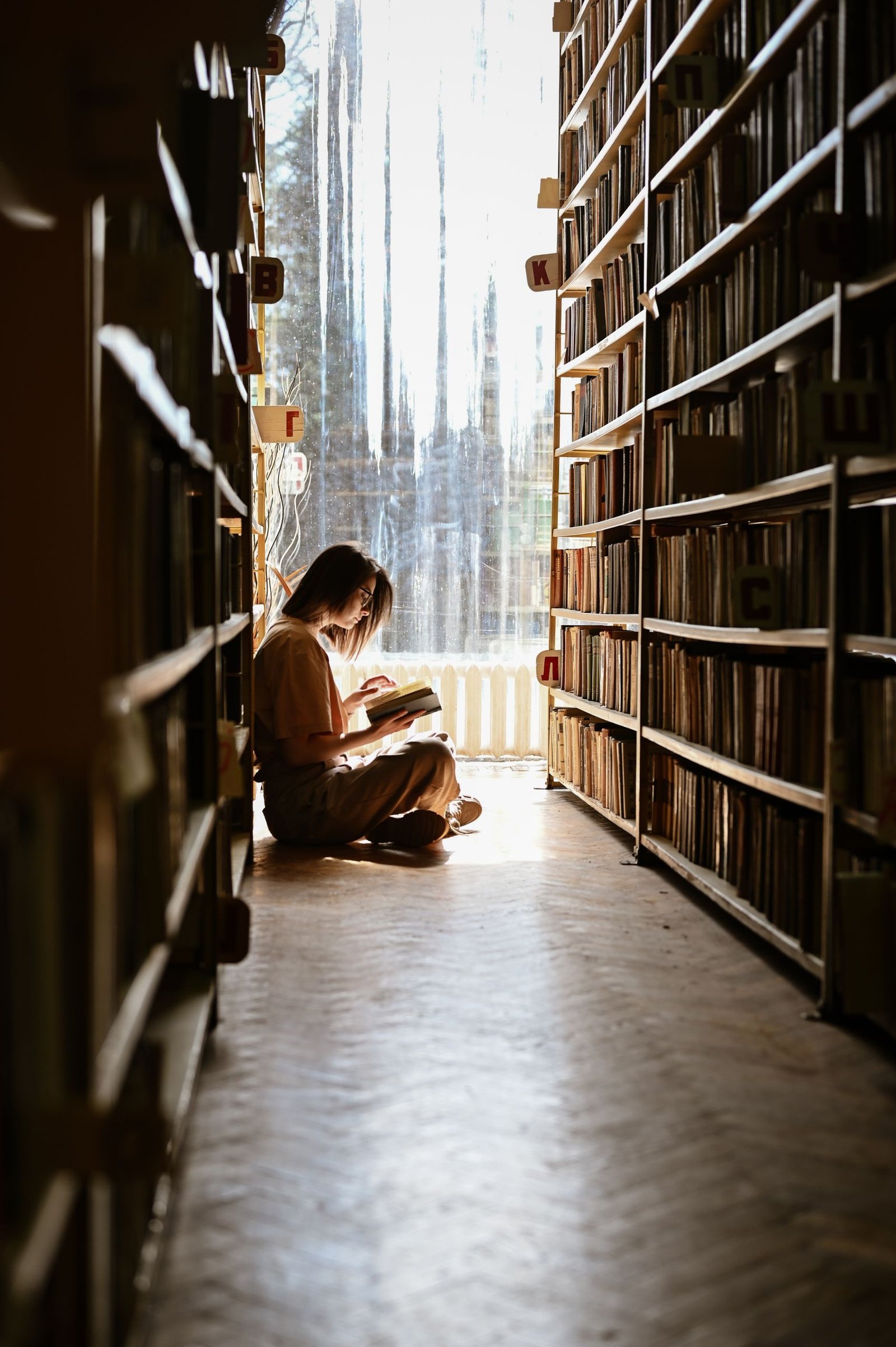
If there is one hobby that perfectly embodies a slower lifestyle, it’s reading.
Books ask us to give our attention to a single story, idea, or perspective for an extended period of time. In an age of constant notifications, that can feel surprisingly refreshing.
Reading also has the advantage of being endlessly adaptable.
You can read:
The goal isn’t to read as many books as possible. It’s to enjoy the experience of reading itself.
Keeping a Journal
Journaling provides something increasingly rare: a private space to think.
Whether you keep a traditional diary, a dialogue journal, a reading journal, or a notebook full of observations, writing by hand encourages a slower pace of reflection.
Many people find that ideas become clearer once they’re on the page.
Knitting and Crochet
I tend to think of knitting and crochet as two sides of the same wonderfully woolly coin.
Both are creative hobbies that give your hands something to do while your mind slows down a little. Whether you’re making a scarf, a blanket, a jumper, or something considerably more ambitious, there’s something deeply satisfying about turning a ball of yarn into something you can actually use.
They’re also surprisingly compatible with a slower lifestyle. You can knit while listening to an audiobook, crochet during a quiet evening at home, or take a project with you on train journeys and café visits. The process itself is often just as rewarding as the finished piece.
A brief word of warning, however: Many people start with a single project and a modest ball of yarn. A few months later they find themselves discussing fibre blends, buying “just one more skein,” and somehow acquiring enough wool to open a small haberdashery.
The jumpers are optional. The yarn collection appears to be inevitable.
Photography Walks
Photography is one of the hobbies that taught me the most about paying attention.
I originally picked up a camera as a way of spending less time doomscrolling and more time outside.
What surprised me wasn’t the photography itself. It was how much more I started noticing.
Architectural details. Interesting shadows. Unexpected colours. Quiet moments that would have otherwise passed unnoticed.
You don’t need expensive equipment to enjoy photography.
Sometimes the hobby is really just an excuse to look more closely at the world around you.
Bookbinding
Bookbinding sits at the intersection of books, craft, and patience.
Even if you’ve never considered making your own notebooks, it’s worth watching a few videos to see the process in action.
There’s something deeply satisfying about turning paper, thread, and fabric into a finished object.
For beginners, bookbinding kits make it easy to get started without needing to source every tool individually.
try your hand at bookbinding

Letter Writing
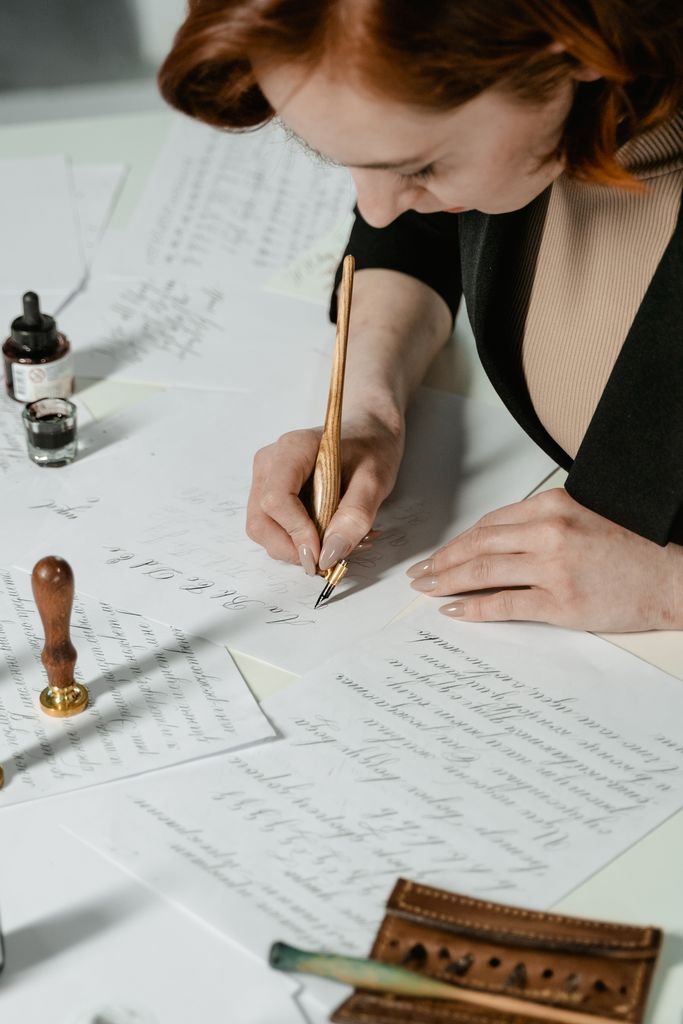
Writing letters may seem old-fashioned, but that’s part of the appeal.
A handwritten letter slows communication down.
It encourages thoughtfulness.
And unlike a text message, it becomes a physical object that can be kept and revisited.
In a world built around instant responses, letter writing feels refreshingly deliberate.
Sketching
You don’t need artistic training to enjoy sketching.
A notebook and a pencil are enough.
Try sketching:
- Buildings
- Trees
- Café interiors
- Everyday objects
The purpose isn’t to create a masterpiece.
It’s to observe.
The more closely you look, the more interesting ordinary things become.
Visiting Libraries
Libraries are one of the few places where nobody expects you to buy anything.
You can wander. Browse. Read. Sit quietly. Discover something unexpected.
For book lovers, an afternoon in a library can feel like a perfect form of slow living.
Creative Writing
Creative writing allows you to engage with your imagination in a way that few hobbies can.
You don’t need to write a novel.
You can start with:
- Short stories
- Character sketches
- Travel notes
- Personal essays
- Poetry
The important thing is showing up consistently.
A few paragraphs are enough.
Embroidery
Embroidery rewards patience.
Each stitch is small.
Progress is gradual.
And yet, over time, those tiny stitches become something beautiful.
It’s one of the most relaxing craft hobbies for adults and pairs particularly well with quiet evenings at home.
Nature Journaling
Nature journaling combines observation, writing, and creativity.
Take a notebook on a walk and record what you notice.
You might write about:
- Birds
- Plants
- Weather
- Seasonal changes
The habit encourages you to pay attention to your surroundings in a way that many of us have forgotten how to do.
Fountain Pens and Handwriting
A niche hobby, perhaps.
But if you’ve ever found yourself fascinated by notebooks, stationery shops, or beautiful handwriting, you may already understand the appeal.
Writing by hand naturally slows thought down.
And sometimes that’s exactly what we’re looking for.
Baking
Baking encourages patience in a way that many hobbies do not.
You can’t rush bread.
You can’t hurry a cake through the oven.
The process requires attention, timing, and a willingness to let things unfold at their own pace.
As a bonus, you usually get something delicious at the end.
Puzzles
Jigsaw puzzles have experienced something of a renaissance in recent years.
It’s easy to see why.
They provide a focused challenge without requiring constant stimulation.
One piece at a time, the picture slowly comes together.
Urban Walking
You don’t need to live in the countryside to enjoy slow living.
Some of my favourite walks happen in cities.
Take a different route home.
Explore a neighbourhood you’ve never visited before.
Read the blue plaques.
Notice the architecture.
Pay attention to the details.
A city becomes far more interesting once you stop rushing through it.
Other Offline Hobbies Worth Exploring
If none of the above appeal to you, consider:
- Pottery
- Gardening
- Birdwatching
- Calligraphy
- Scrapbooking
- Sewing
- Chess
- Model building
- Candle making
- Flower pressing
- Volunteering
- Learning an instrument
- Local history research
The best hobby is often the one that makes you lose track of time.
How to Choose your Offline Hobbies
When deciding between hobbies, ask yourself:
- Does this genuinely interest me?
- Would I enjoy the process even if I wasn’t particularly good at it?
- Does it help me spend less time on my phone?
- Am I curious enough to keep learning?
You don’t need the perfect answer. Sometimes the best approach is simply to try something.
A single library visit. A beginner knitting project. A photography walk. A sketchbook. A crochet hook.
Curiosity is often a better guide than careful planning.
Final Thoughts
Offline hobbies aren’t really about avoiding technology. They’re about creating balance.
They’re an opportunity to step away from constant stimulation and reconnect with activities that require patience, creativity, and attention.
Whether you choose reading, knitting, photography, bookbinding, journaling, or something entirely different, the goal is the same.
To spend a little more time engaged with the world directly. To notice more. To create more.
And perhaps, in the process, to discover that living slowly isn’t about doing less.
It’s about paying closer attention to what you’re already doing.