If you’ve been reading about bookish London on this site, Virginia Woolf has already come up more than once; the bust in Tavistock Square, the bombed house in Mecklenburgh Square, the Bloomsbury Group operating out of the same few streets and producing work that still matters a hundred years later. She and Leonard ran the Hogarth Press from their home, publishing T.S. Eliot and translating Freud. She used the architecture of Lamb’s Conduit Street as inspiration for Jacob’s Room. The city is in the fabric of her writing in ways that reward paying attention.
Nine novels, published between 1915 and 1941. Between the Acts was prepared for publication by Leonard after her death in March 1941. these are the Virginia Woolf books in order.
The Novels in Order
1. The Voyage Out (1915)

A party aboard the Euphrosyne bound for South America changes the life of Rachel Vinrace. She has led a sheltered life in the care of her aunts and knows very little. On her voyage of self-discovery, Rachel asserts her own identity through observing and connecting with the world around her. Rachel falls in love with aspiring writer Terence Hewett before the book’s tragic end.
2. Night and Day (1919)
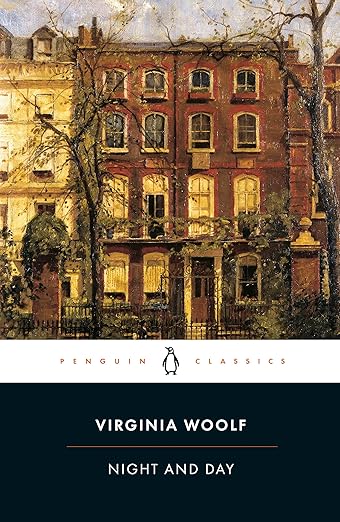
Virginia Woolf’s delicate second novel is both a love story and a social comedy, yet it also subtly undermines these traditions, questioning a woman’s role and the very nature of experience. Its protagonist, Katharine Hilbery, is beautiful and privileged but uncertain of her future. She must choose between becoming engaged to the oddly prosaic poet William, and her dangerous attraction to the lower-class Ralph. As she tries to decide, the lives of two other women – women’s rights activist Mary Datchet and Katharine’s mother, struggling with the weight of history – impinge on hers with unexpected and intriguing consequences.
3. Jacob’s Room (1922)

The life of Jacob Flanders is assembled not through direct narrative but through the impressions of the people around him — glimpses, fragments, the rooms he passes through. Woolf’s first fully experimental novel, and a significant departure from everything that preceded it. The architecture of Lamb’s Conduit Street in Bloomsbury, which Woolf knew well, is said to have influenced the setting.
4. Mrs Dalloway (1925)

Clarissa Dalloway, elegant and vivacious, is preparing for a party and remembering those she once loved. In another part of London, Septimus Warren Smith is suffering from shell-shock and on the brink of madness. Smith’s day interweaves with that of Clarissa and her friends, their lives converging as the party reaches its glittering climax. Virginia Woolf’s masterly novel, in which she perfected the interior monologue, brings past, present and future together on one momentous day in June 1923.
5. To the Lighthouse (1927)
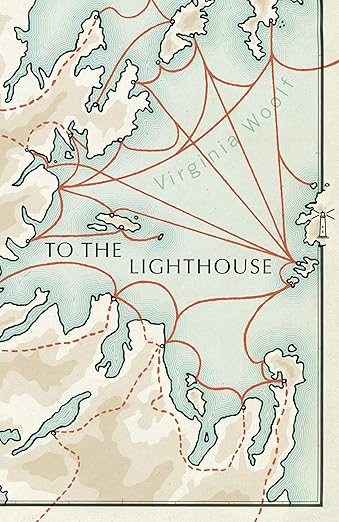
Mr and Mrs Ramsay and their eight children have always holidayed at their summer house in Skye, surrounded by family friends. But as time passes, bringing with it war and death, the summer home stands empty until one day, many years later, the family return to make the long-postponed visit to the lighthouse.
6. Orlando (1928)

First masculine, then feminine, Orlando begins life as a young sixteenth-century nobleman, then gallops through the centuries to end up as a woman writer in Virginia Woolf’s own time. Written for the charismatic, bisexual writer Vita Sackville-West, this playful mock biography of a chameleon-like historical figure is both a wry commentary on gender and, in Woolf’s own words, a ‘writer’s holiday’ which delights in its ambiguity and capriciousness.
7. Street Haunting (1930)
‘The hour should be evening and the season winter, for in winter the champagne brightness of the air and the sociability of the streets are grateful’. In such conditions, Virginia Woolf takes to London’s streets in search of a pencil. The account of her journey – the people, the places, the pleasure – soon becomes one of the great paeans to city life. This collection also includes other wonderful essays, such as ‘How Should One Read a Book?’ and ‘The Sun and the Fish’.
7. The Waves (1931)
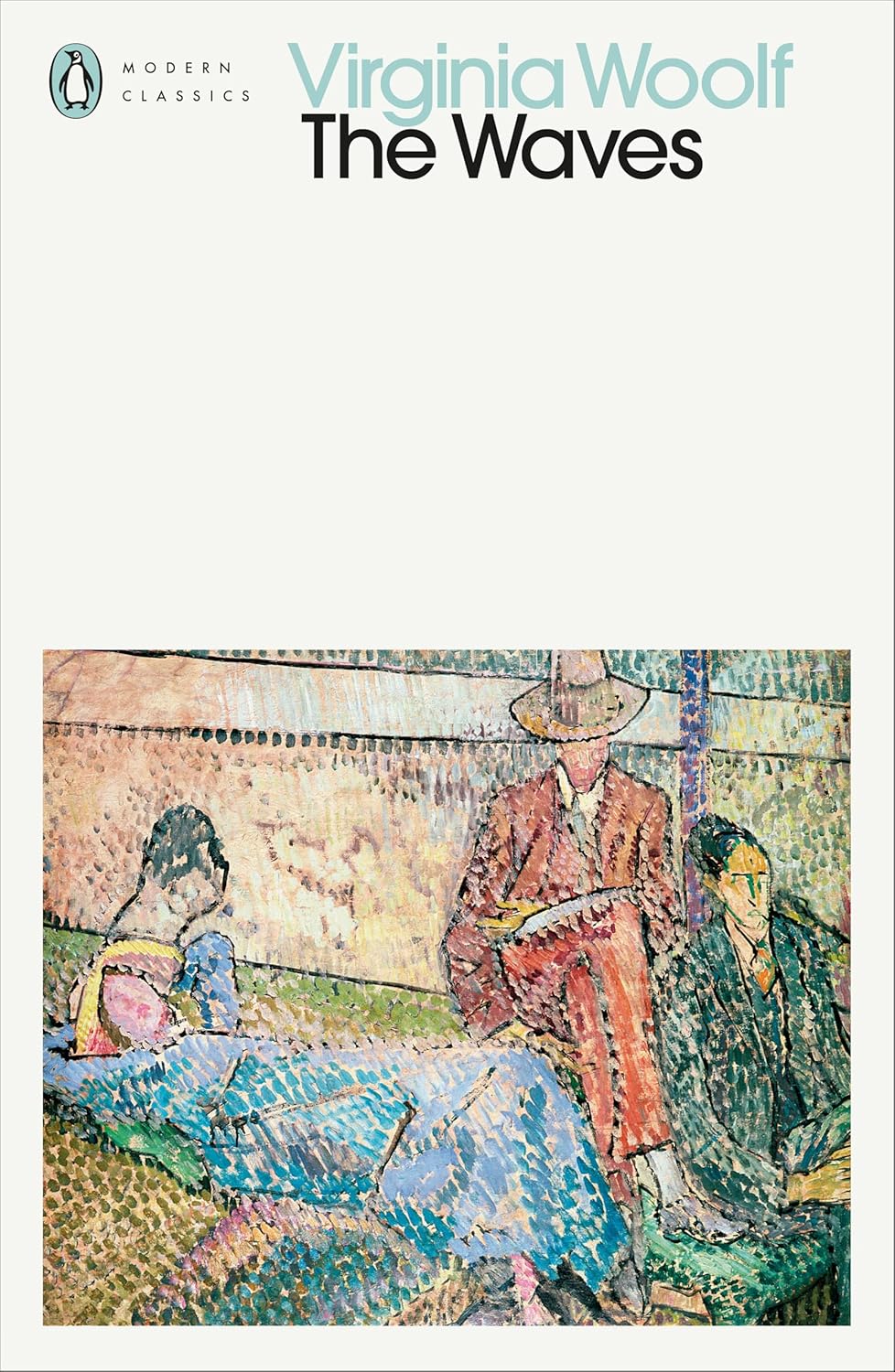
More than any of Virginia Woolf’s other novels, The Waves conveys the full complexity and richness of human experience. Tracing the lives of a group of friends, The Waves follows their development from childhood to youth and middle age. While social events, individual achievements and disappointments form its narrative, the novel is most remarkable for the rich poetic language that expresses the inner life of its characters: their aspirations, their triumphs and regrets, their awareness of unity and isolation. Separately and together, they query the relationship of past to present, and the meaning of life itself.
8. The Years (1937)
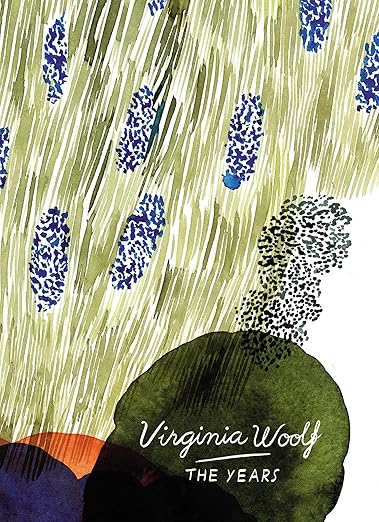
The Years follows the lives of the Pargiters, a large middle-class London family, from an uncertain spring in 1880 to a party on a summer evening in the 1930s. We see them each endure and remember heart-break, loss, radical change and stifling conformity, marriage and regret. Written in 1937, this was the most popular of Virginia Woolf’s novels during her lifetime, and is a powerful indictment of ‘Victorianism’ and its values.
9. Between the Acts (1941)

A village pageant in the grounds of an English country house in June 1939 — one summer before the war. The audience watches; the actors perform; the gaps between the acts fill with private thought and half-finished conversation. Woolf completed the manuscript shortly before her death and considered it unfinished; Leonard prepared it for publication. Elegiac, fragmented, and quietly devastating in the context of when it was written.
Honourable Mention: The Essential Non-Fiction
A room of one’s own
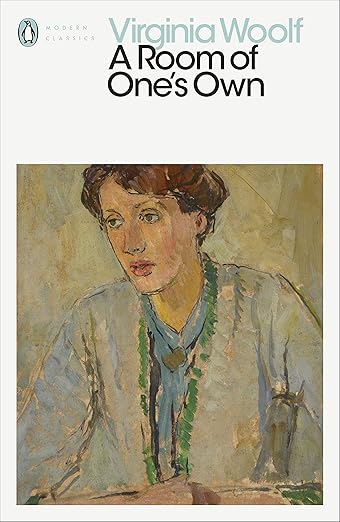
A Room of One’s Own (1929) — technically an extended essay rather than a novel, but essential reading alongside the fiction. Based on lectures Woolf gave at Girton and Newnham colleges in Cambridge, it argues that a woman who wishes to write fiction needs money and a room of her own. The central thesis has never stopped being relevant. If you read one piece of Woolf non-fiction, this is it.
Where to Start
Start with Mrs Dalloway. It’s the most accessible of the major novels, it’s set in London, and she name drops so many locations, which is fun to read. , and it will show you exactly what Woolf does with language and stream of consciousness which was revolutionary for the time.. One day. One city. Two people who never meet. It’s perfect.
After that: To the Lighthouse. This is the one that people tend to fall completely in love with, and I think it’s because it’s the most emotionally precise pieces she ever wrote. The section in the middle (Time Passes, where years go by in a few pages and everything changes) is one of the great pieces of writing in the English language. I’m not being dramatic.
Orlando is the fun one. If you want Woolf without the existential weight, this is it. Playful, wild, completely charming; and it was written as essentially a love letter, which gives it a warmth the other novels don’t quite have.
And The Waves you save for when you’re ready. You’ll know.
She’s all over Bloomsbury if you know where to look: the full literary London guide is here