London has always been a city that reads.
London has always been a city that reads. You don’t have to go looking for bookish London. It finds you; in the pub name you walk past every morning, in the square you cut through on the way to the tube, in the hospital you pass without knowing it appeared in a story written over a hundred years ago. The city is absolutely saturated in bookish lore, and once you start noticing it, you genuinely cannot stop.
This isn’t a list of things to do if you happen to love books. This is for all you who haven’t yet looked up at the right moment, turned down the right alley, or gone north on the right afternoon; and for visitors who want to see the city the way people who actually live here do. Consider this your invitation.
Bloomsbury
Start at the Charles Dickens Museum on Doughty Street, a short walk from Russell Square tube. His London home from 1837 to 1839, where he finished The Pickwick Papers, wrote Nicholas Nickleby, and produced Oliver Twist. The museum is set up as though he’s just nipped out for a quick pint. I read his entire collected works before I turned ten (my grandfather was a devotee; we had all of them), so this place has always felt less like a museum and more like paying a visit.
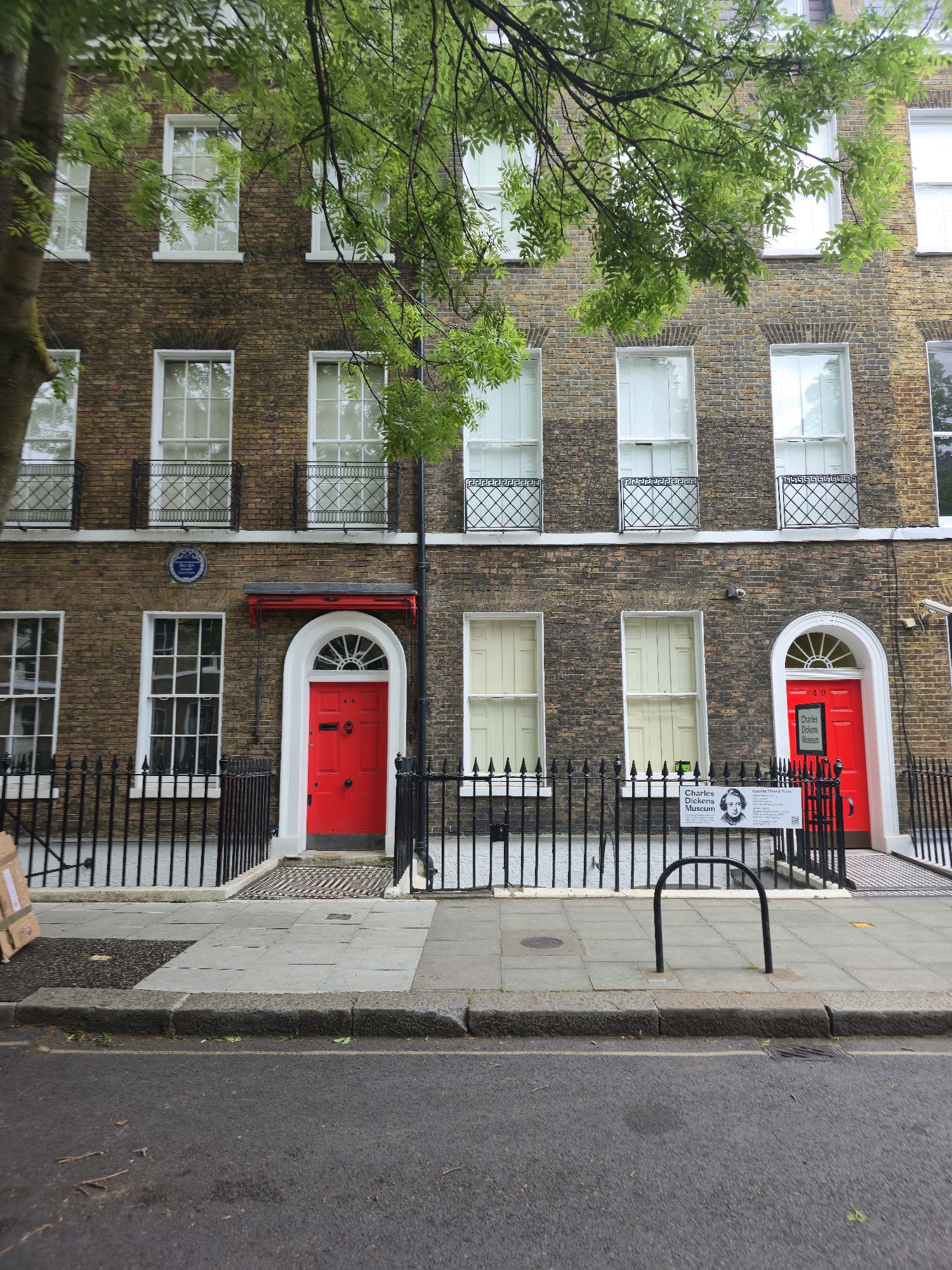
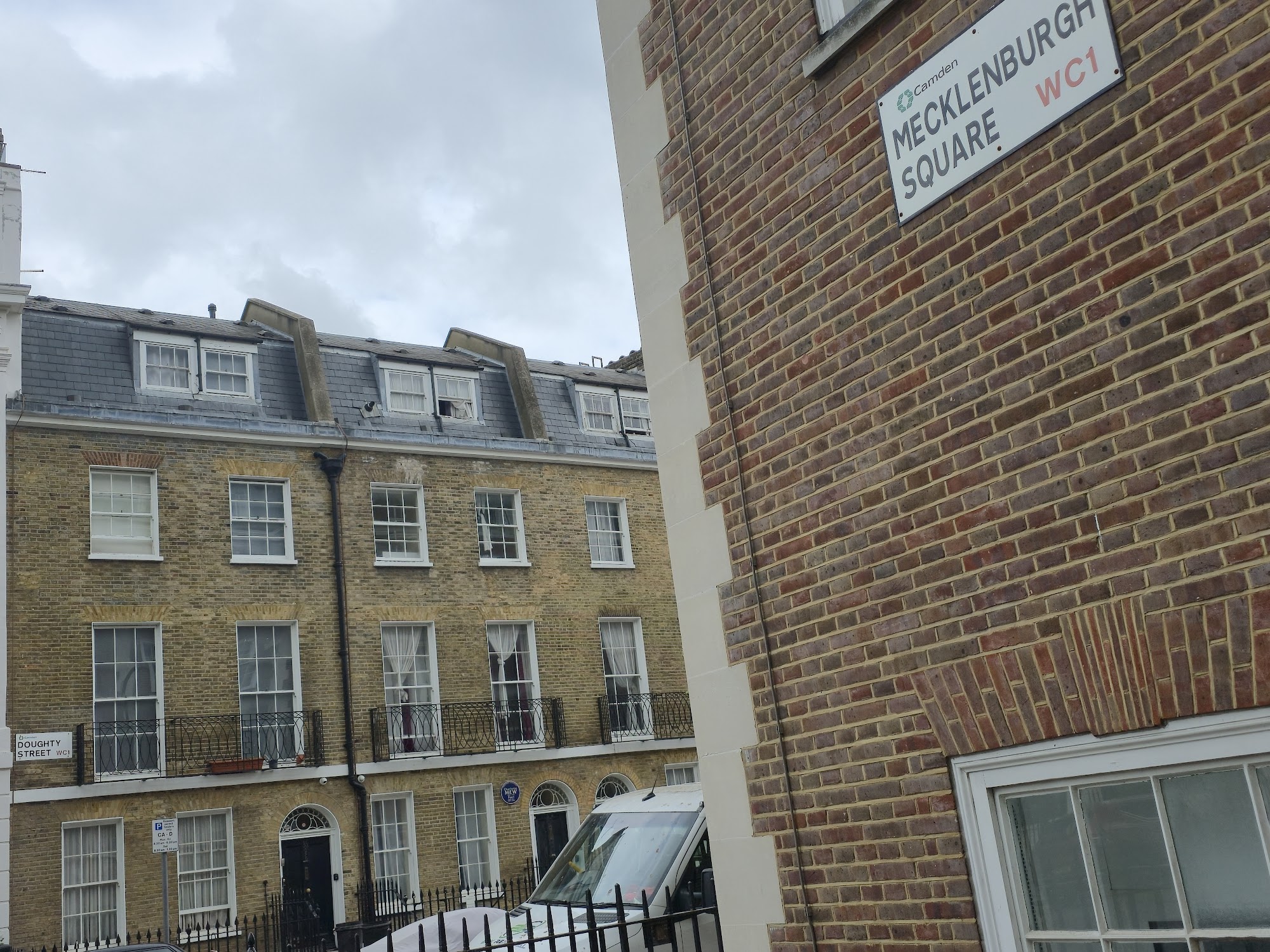
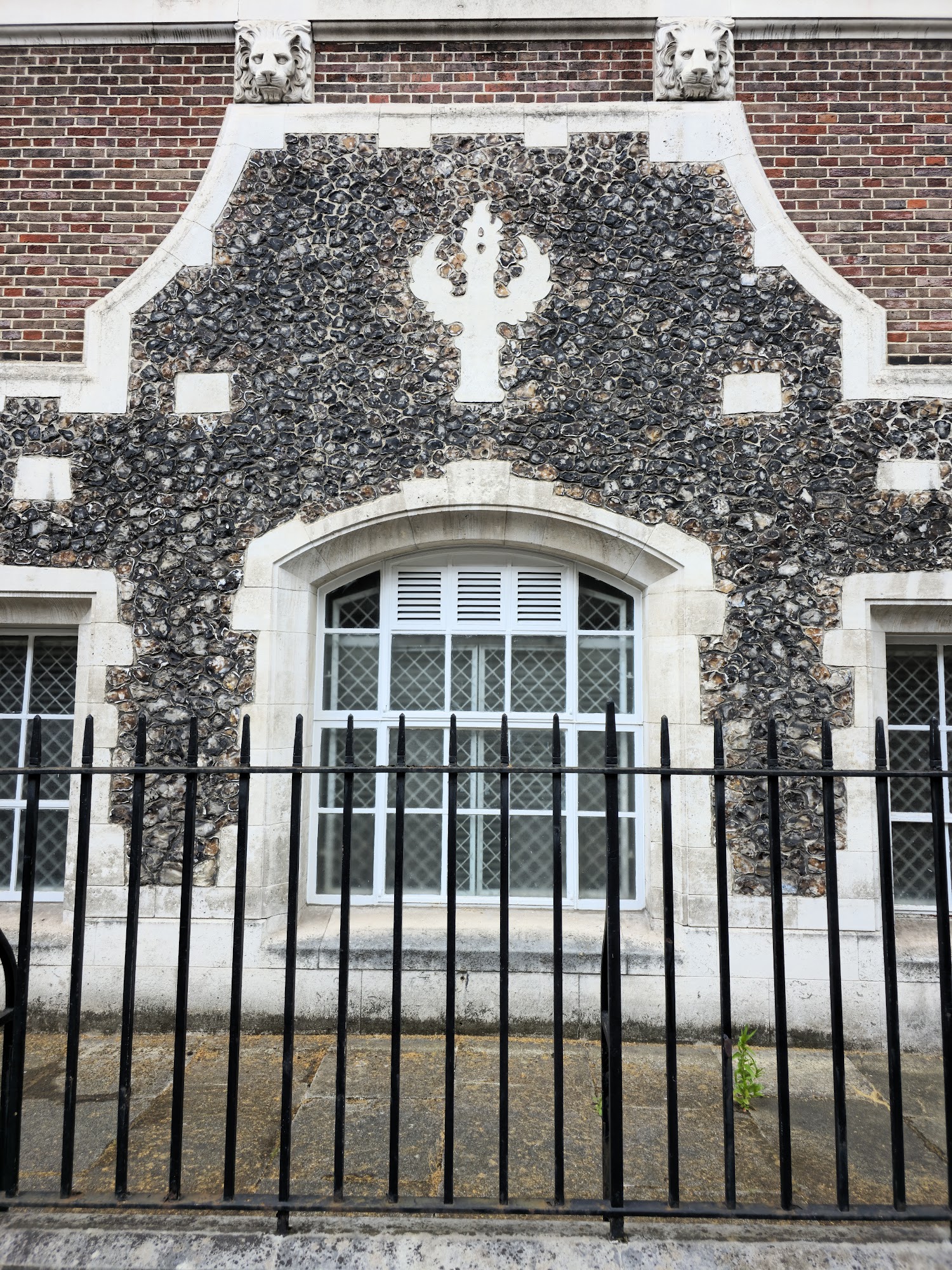
When you leave, don’t immediately head back towards the main drag. Walk five minutes south to Mecklenburgh Square, a Grade II listed, largely closed-off square with possibly the most beautiful brickwork in London. Virginia Woolf lived here; the house was bombed during the Blitz and replaced by Goodenough College, which sounds like a consolation but actually has extraordinary architecture. Worth a pause. Also worth knowing: Mecklenburgh Square is named for Queen Charlotte (yes, the Bridgerton Queen), wife of Mad King George. The layers of History. Wow!
From there, do the short walk to Lamb’s Conduit Street. Persephone Books, the beloved publisher of neglected women’s fiction, with its distinctive grey covers used to have its shop here before it closed. The street has survived its departure beautifully: largely pedestrianised, Georgian architecture, independent boutiques. Virginia Woolf apparently used the architecture as inspiration for Jacob’s Room.
While you’re in the area: Gay’s the Word on Marchmont Street is the UK’s oldest LGBTQ+ bookshop, and it is genuinely one of the best bookshops in London regardless of genre. I bought my copy of The Seven Husbands of Evelyn Hugo here when that book was consuming everyone’s group chats.

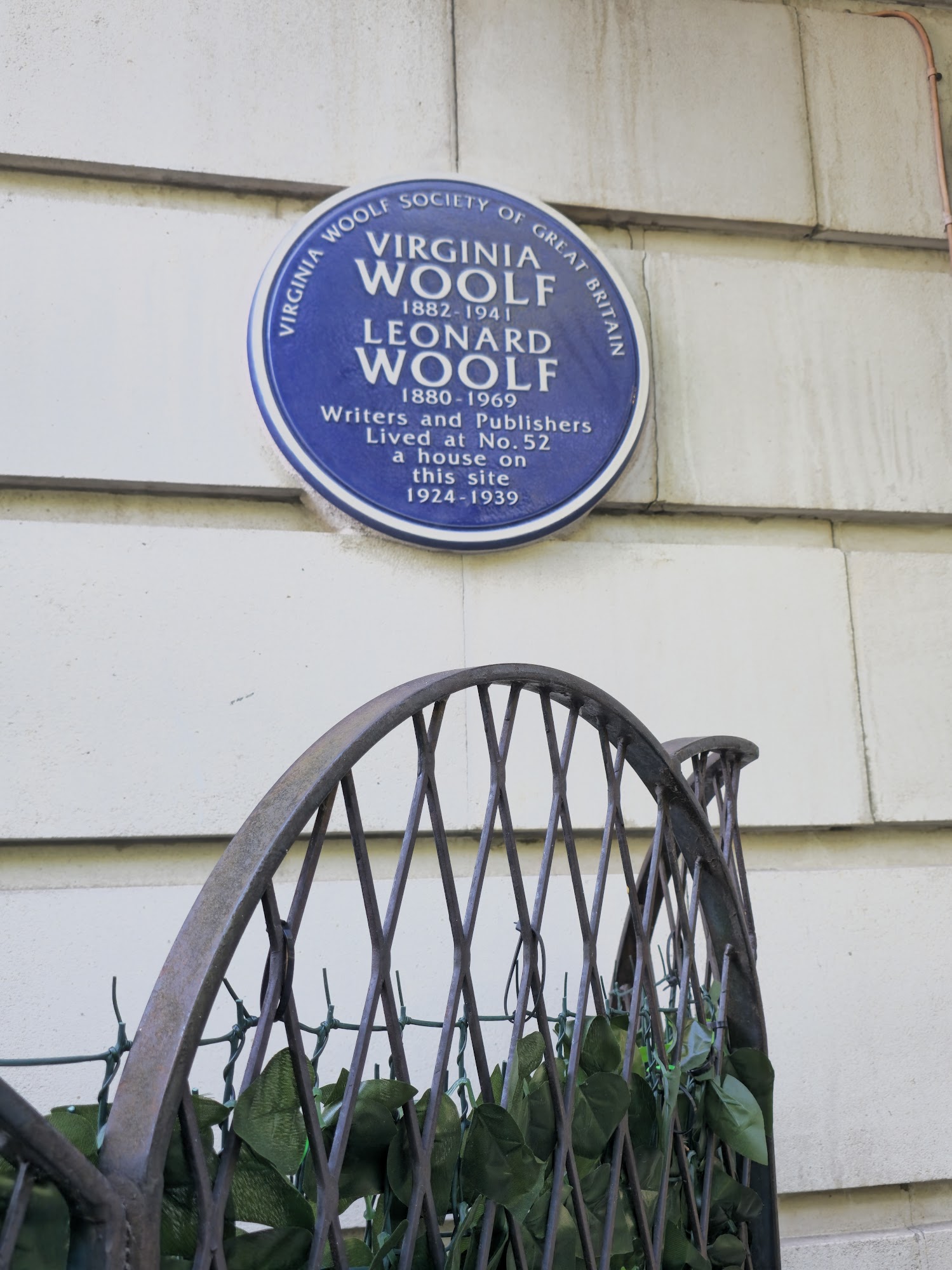
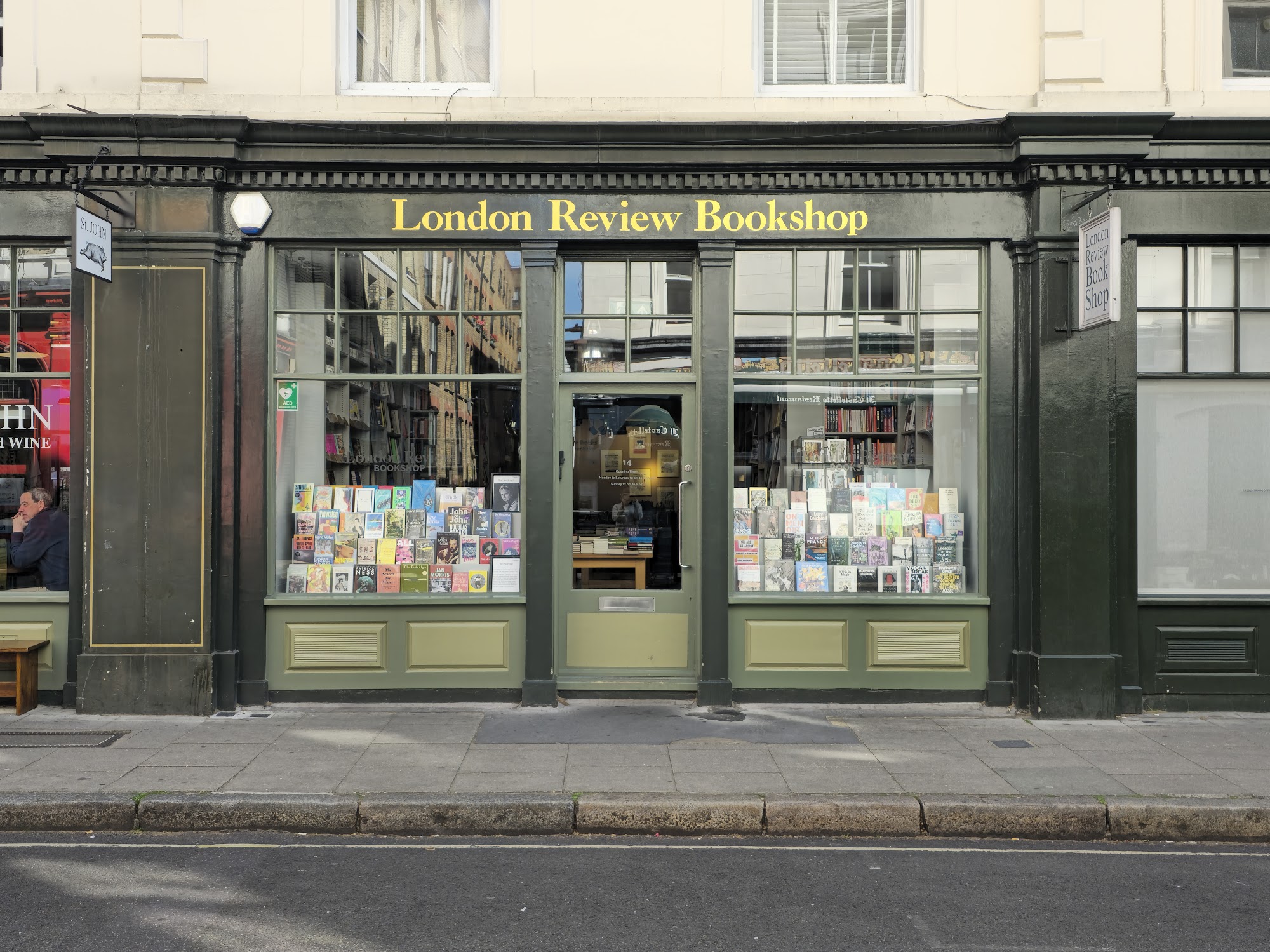
For the Virginia Woolf trail: she has a bust in Tavistock Square (unveiled 2004, cast from a 1931 sculpture & also, she and Leonard ran the Hogarth Press from number 52, publishing T.S. Eliot and translating Dostoevsky, which, is a sentence that deserves a moment). Bloomsbury Square itself is one of the most serene spots in the neighbourhood with comfortable benches, trees, flowers, the city noise at a remove; ideal for sitting with whatever you’ve just bought from the London Review Bookshop and Cafe, which is just through the Pied Bull Yard, off the Square.
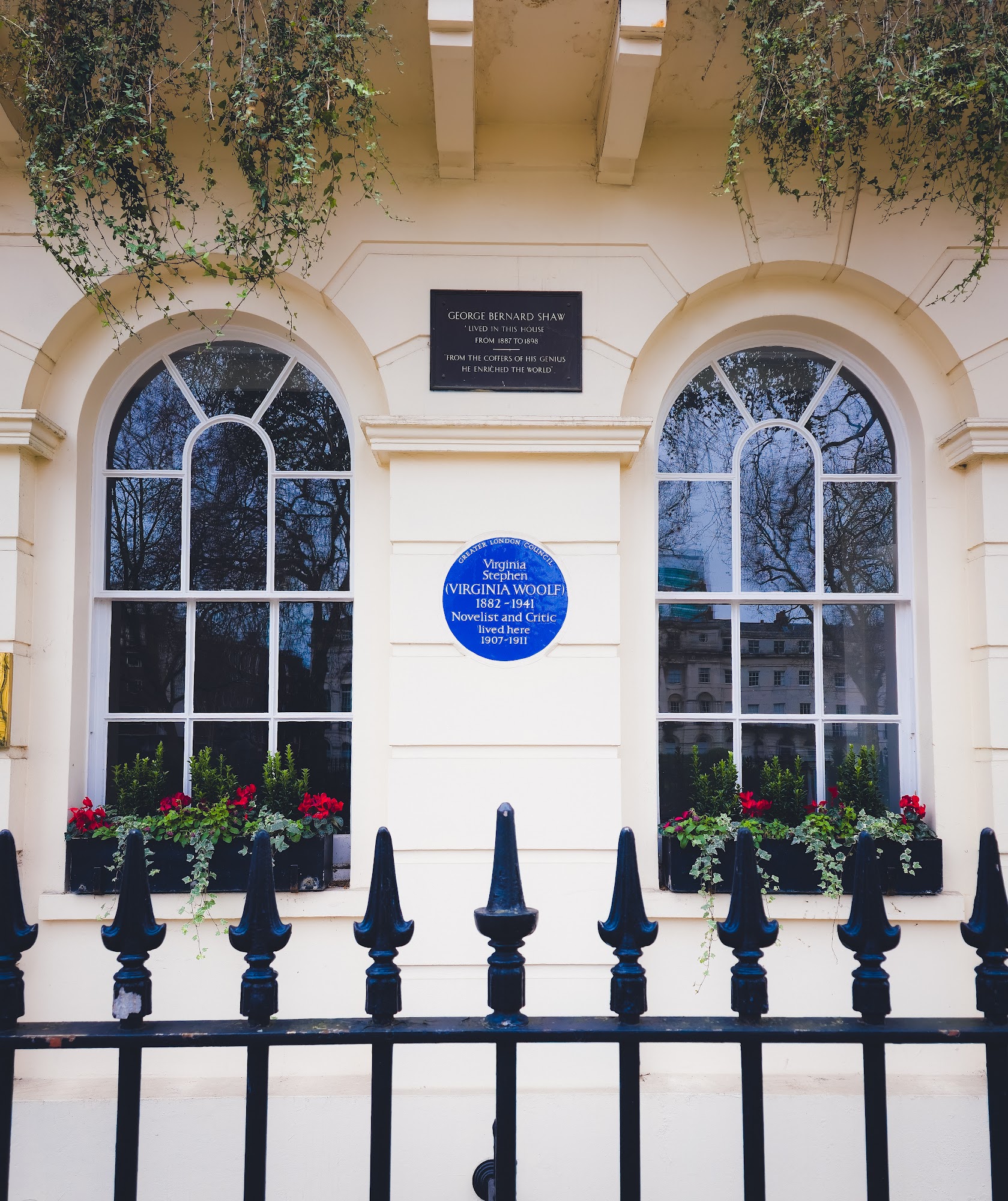
And then there’s Fitzroy Square, where she has another and where the surrounding buildings have, in my experience, the most astonishingly beautiful window boxes all year round. You can’t enter the garden square but you don’t need to. You get the full experience seeing it from the outside.
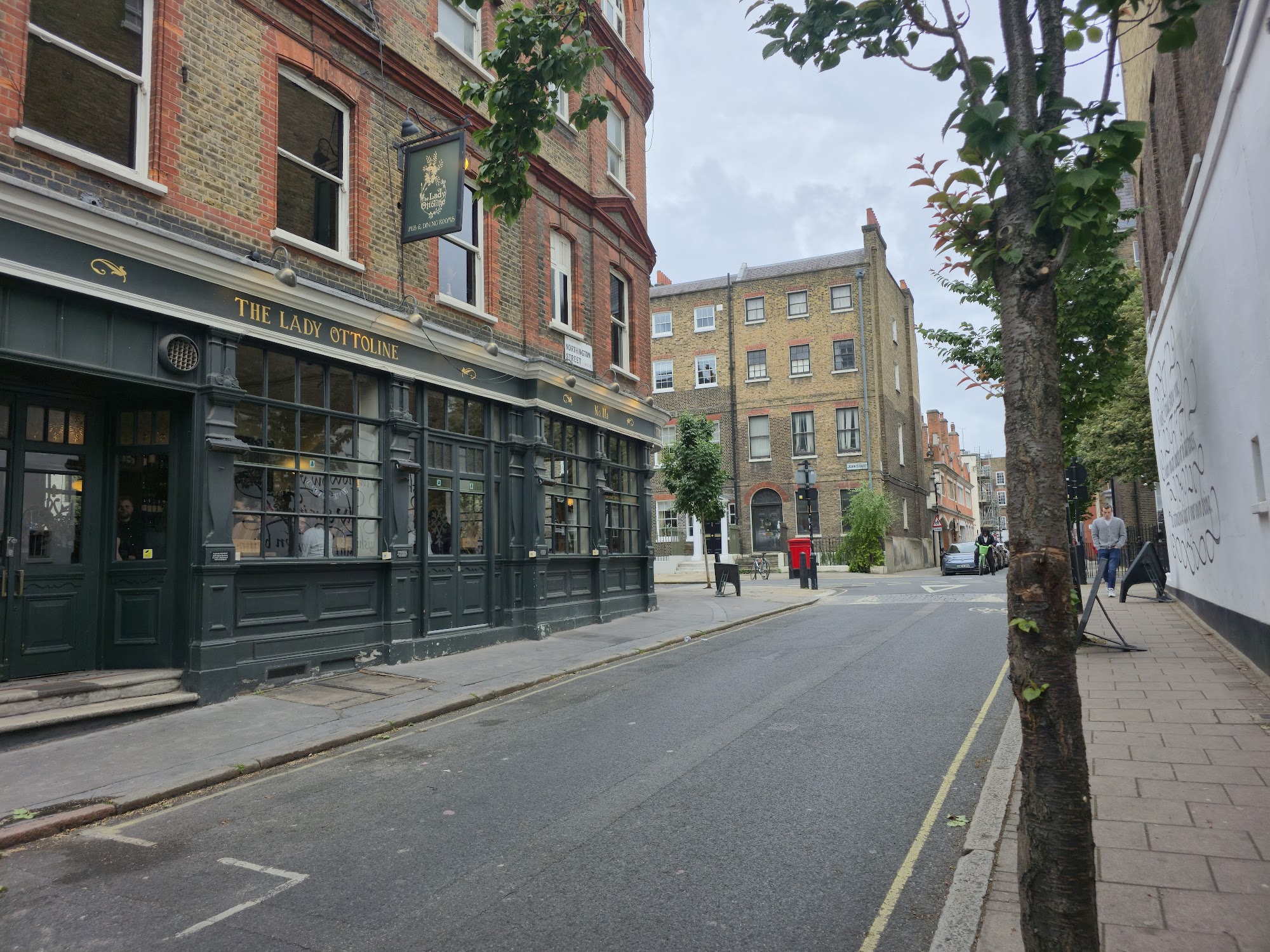
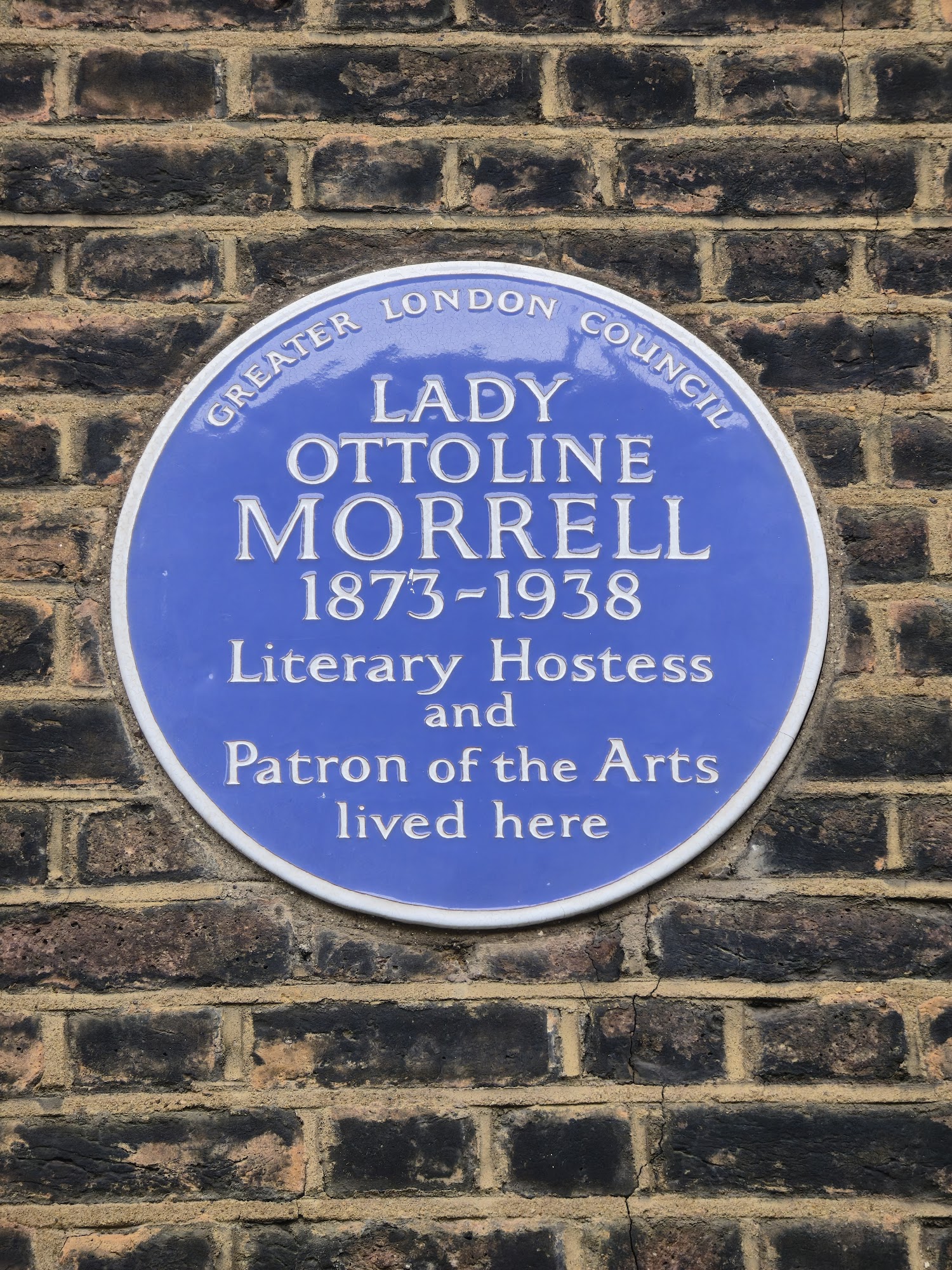
One more: 3 minutes from the Dickens Museum is the Lady Ottoline pub on Northington Street, and then find her blue plaque on Gower Street. Lady Ottoline Morrell was a genuine literary hostess — hostess and sometimes muse to the Bloomsbury Group, to D.H. Lawrence, Siegfried Sassoon, Aldous Huxley. She held salons. She made space for writers to exist and be difficult and be brilliant. I find her deeply compelling, and the pub named for her is a beautiful place to sit in the late afternoon and feel, as one does in Bloomsbury, rather literary.
King’s Cross & Granary Square
Most people come to King’s Cross for Platform 9¾, and listen, I understand it, I do. But there’s so much more going on in this area that it would be a shame to get your photo with the trolley and leave.
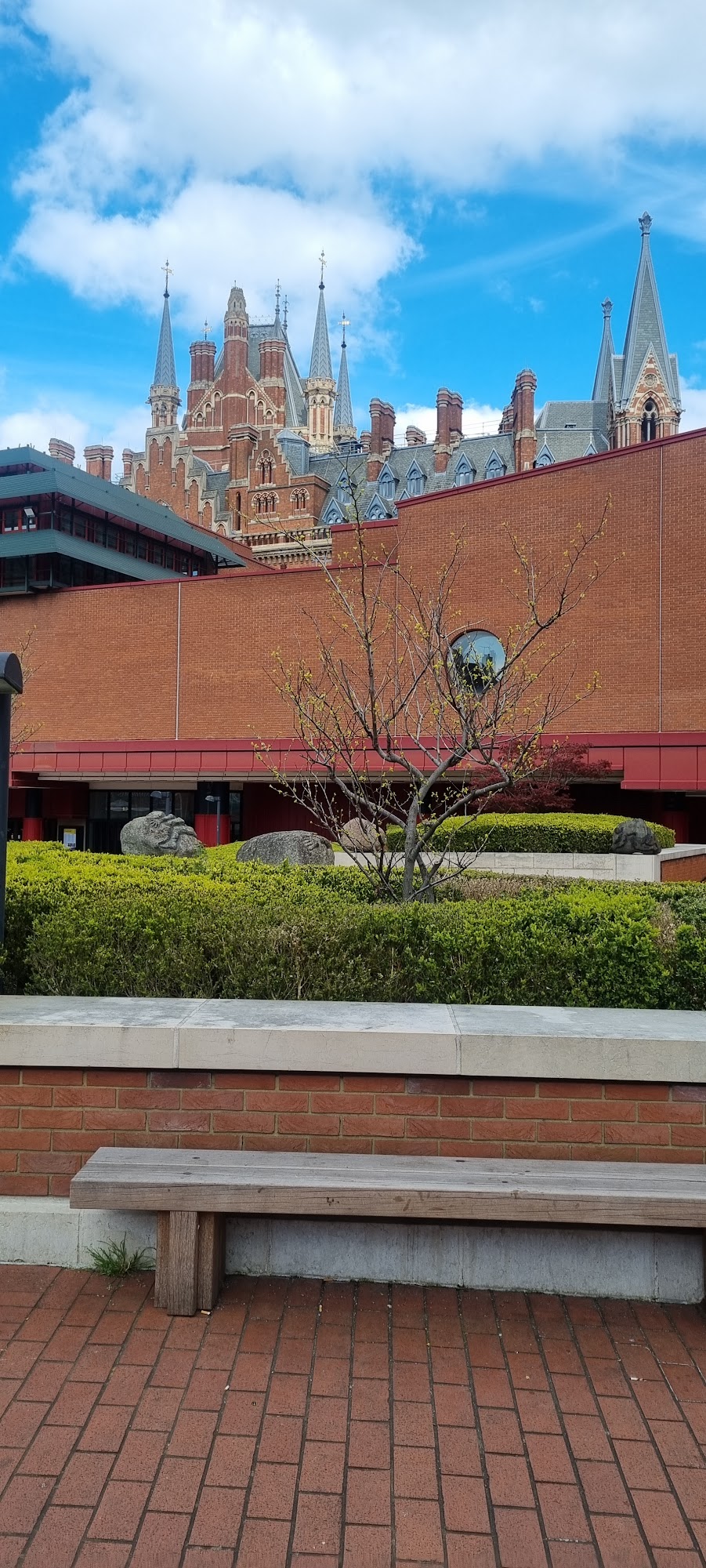
Start at the British Library on Euston Road, and specifically, go into the courtyard. From there you get one of the most quietly spectacular views in London: the St Pancras Hotel rooftops, Gothic and romantic, majestic against the sky. The Library itself is one of the world’s largest, home to over 170 million items, and it runs free exhibitions throughout the year that are consistently excellent. There’s also a gift shop where I have never, for the life of me, managed to leave without a making a purchase.
Then take a stroll through St Pancras station. Because inside St Pancras is a branch of Hatchards, which is not the prettiest bookshop in London (that title, for the record, goes to Daunt Books in Marylebone — more on that shortly), but it is the oldest bookshop in London. The original Piccadilly branch has been trading since 1797. The St Pancras branch regularly hosts book signings in the station, which sounds chaotic and is actually wonderful. In December 2024, they built a Christmas tree entirely out of books. I’m going to need you to understand that this is bookish London at its absolute peak.
Now: Word on the Water, the floating bookshop on the barge on Regent’s Canal, just north of Granary Square. It has become deservedly famous, which is a beautiful thing, but I want to say something about what it was like before — just a barge, on a canal, with a lovely owner who always had an interesting selection and always had time for a conversation. He’s gone now, and the shop carries on, and every time I walk past I feel the particular kind of fondness reserved for places that have earned their own mythology. Go on a summer evening if you can.
And yes, Platform 9¾ is there if you want it. There’s a Harry Potter shop. There are staff members trained in holding your scarf aloft for photos. It is exactly what it is. September 1st, if you’re curious, still draws people hoping to catch the Hogwarts Express at 11am. The new HBO reboot may well renew all of this considerably.
The Fandom Chapter: London as a Film Set
Here’s something the literary-historical crowd sometimes forgets: not all of us came to these stories through pages first. Some of us came through screens, and the city looks extraordinary through that lens too.
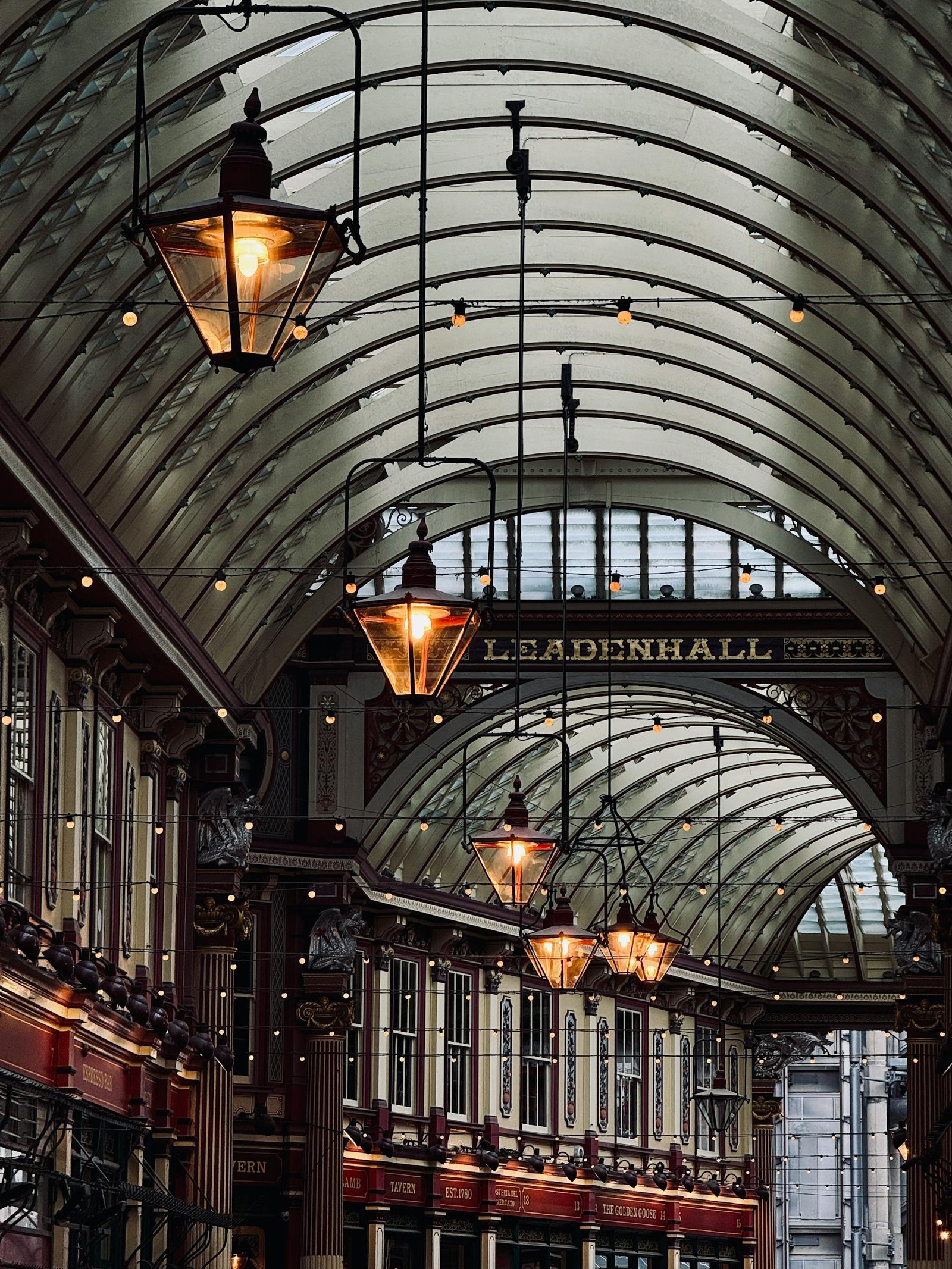
Harry Potter has claimed more of London than most people realise. King’s Cross you know. But Leadenhall Market in the City; built in 1881, covered glass ceiling, Victorian ironwork, a genuine architectural marvel; is in the films as Diagon Alley, and it has the magic of places that feel like they belong in a story even without the association. Go on a weekday morning before it fills up.
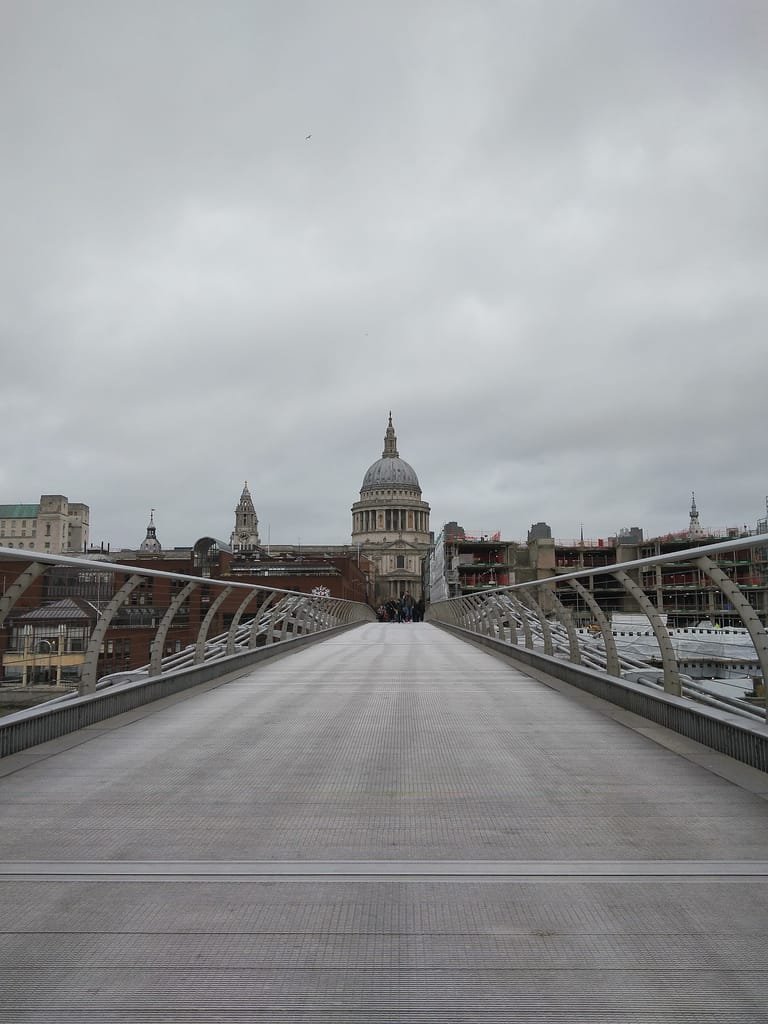
Then there’s the Millennium Bridge. Breath-taking views of St Paul’s Cathedral and the River Thames, spectacular on a clear day. I personally am not crossing it. The dementors attacked it in Half-Blood Prince and I have simply never recovered from this, and I will not be taking questions. On a more cheerful note: Claremont Square in Islington, which appears in Order of the Phoenix as Grimmauld Place, still attracts people photographing what is officially just a very nice London square. I’ve seen them. It’s very endearing.

Sherlock Holmes deserves his own post because he doesn’t get more London. The museum at 221b Baker Street is an experience; immersive, gas-lit, faithful to the Victorian detail. But my personal favourite is Barts Hospital in Smithfield. It appears in the original Conan Doyle stories from the 1800s, and it still stands today. It’s also where, if you’ve seen the BBC series, Benedict Cumberbatch jumped off the roof, which has given the building a second layer of mythology that feels entirely appropriate. I cover Sherlock’s London in a bit more depth in this post.
Shakespeare permeates the city in ways that are almost comedic at this point. There are two pubs named after him in Clerkenwell alone, which tells you something about how thoroughly he’s been absorbed into the fabric of the place. His plaque sits just off London Wall (I pass it when I have a doughnut craving, which happens to be one of my favourite facts about my own life). There’s another plaque on Andrews Hill, near what we now know was his actual London property. And then there’s the Globe Theatre on the South Bank — not the original (that burned down in 1613), but the painstakingly recreated open-air theatre that still performs his plays in the round. If you haven’t gone, go.
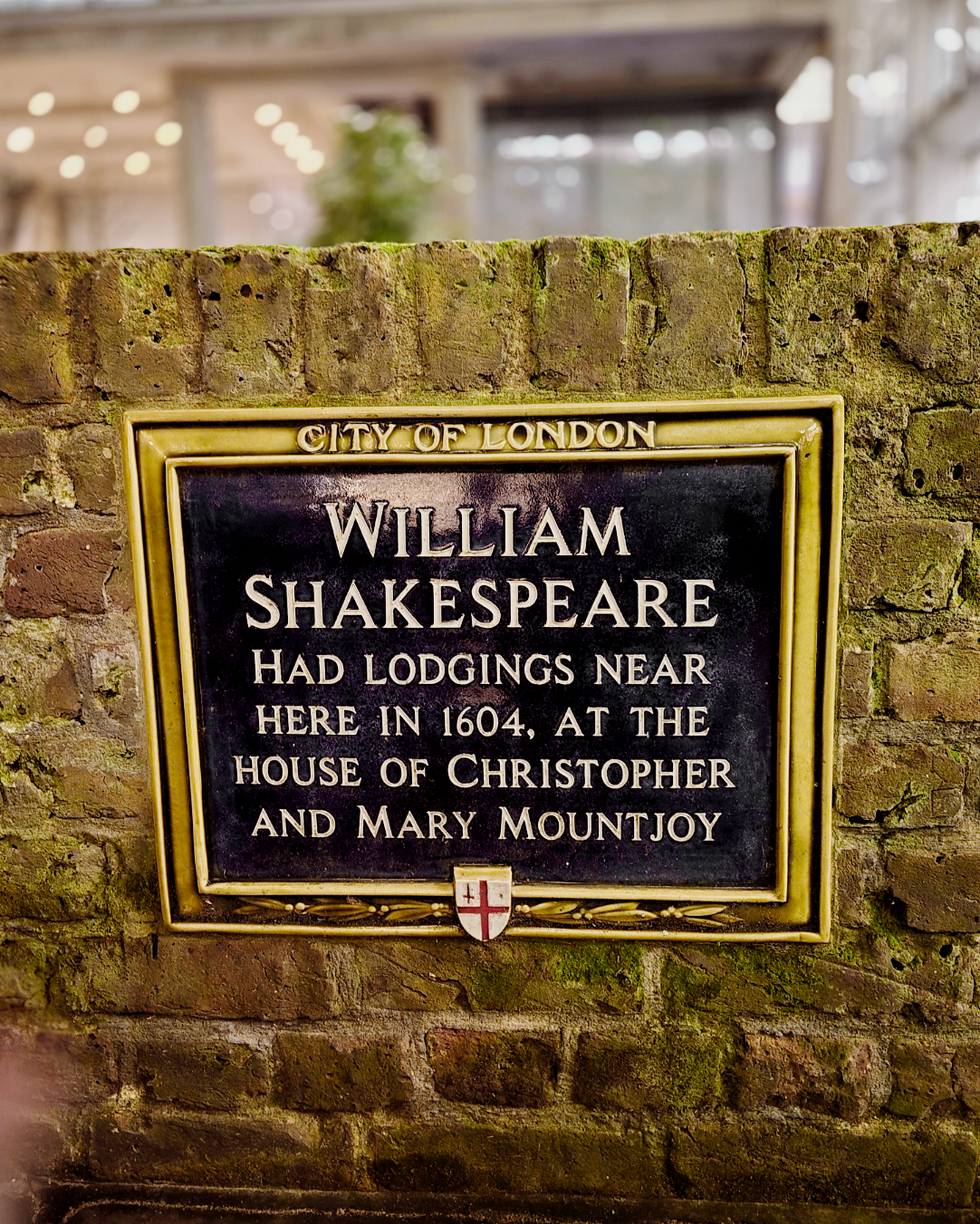
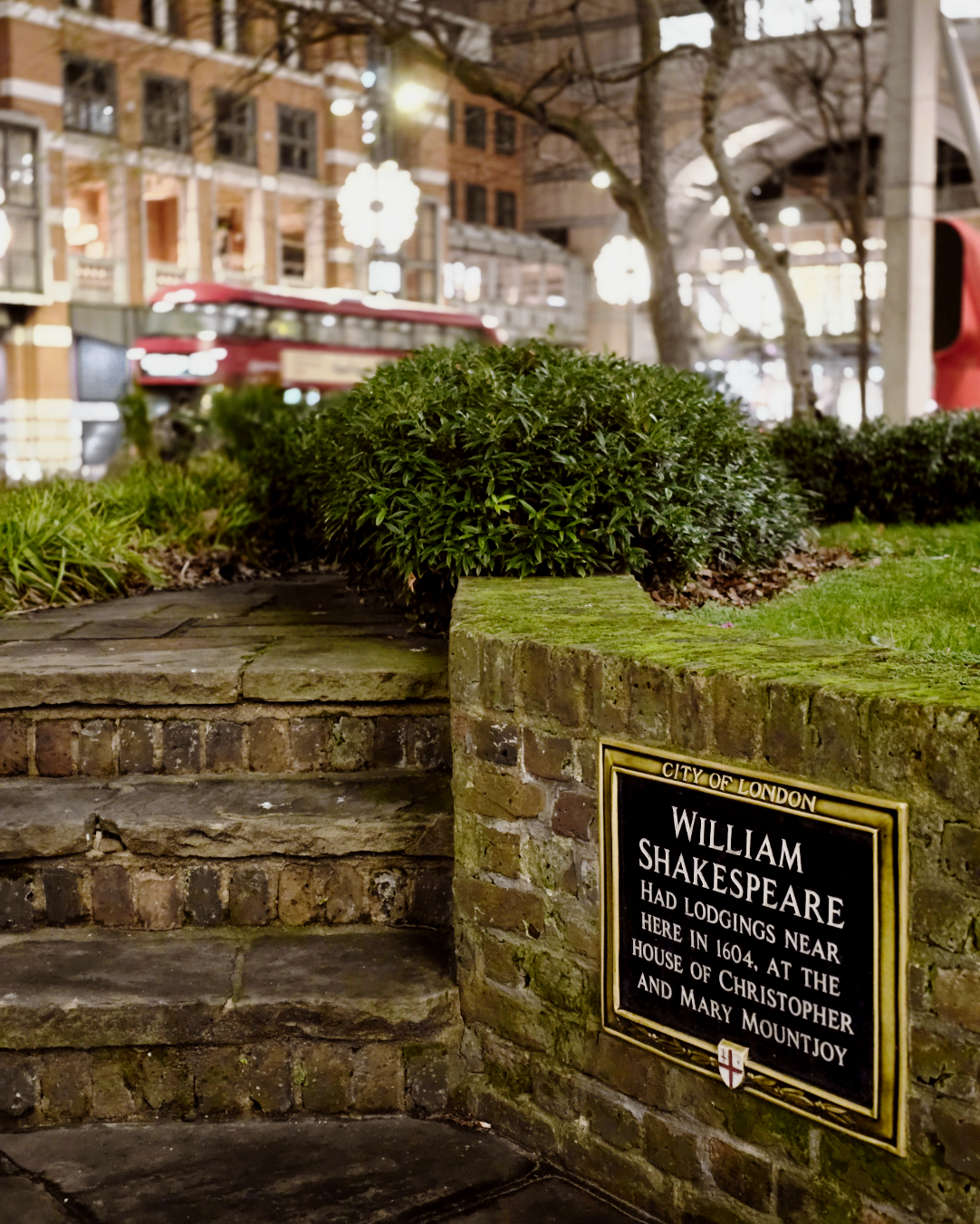
A 1 minute walk down from these plaques is the Worshipful Company of Goldsmith’s Garden, a hidden little garden on the corner of Gresham and Noble Street. Very tranquil (and great place to devour my doughnuts away from prying eyes). Fun fact: the London scenes from 2011 The Girl With Dragon Tattoo film were shot here.
The Bookshops: An Honest Ranking by Someone Who Has Opinions
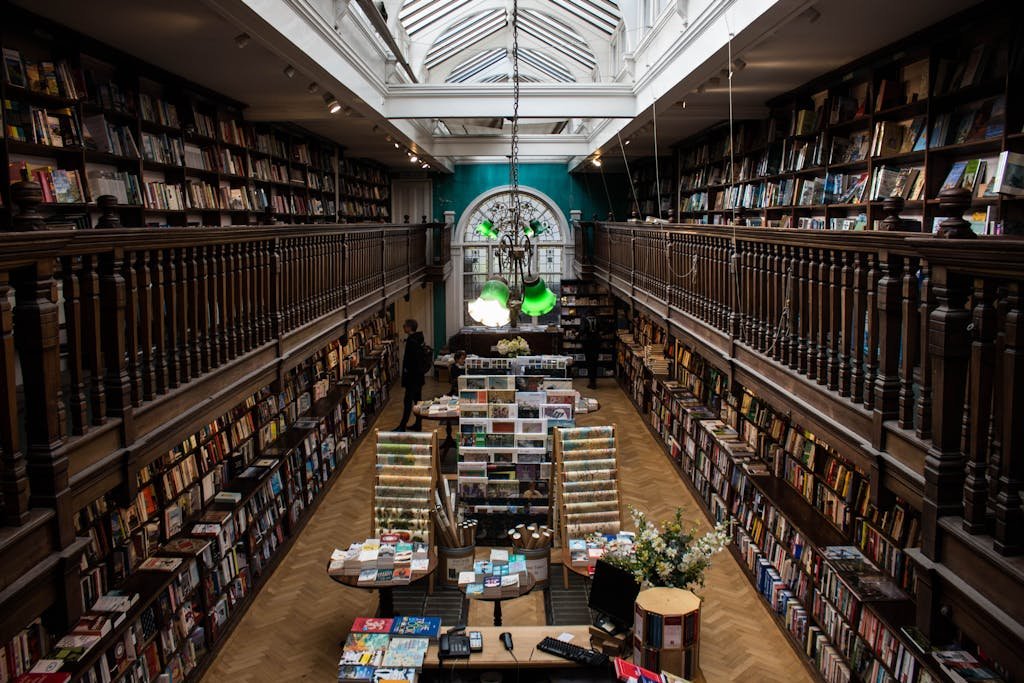
Daunt Books, Marylebone. On Marylebone High Street, a ten-minute walk from Baker Street tube. The most beautiful bookshop in London. I’ll accept almost no counterarguments on this. The long Edwardian room with the oak galleries and the skylights; it organised its books by country of origin before that was fashionable, and it remains a genuinely wonderful way to browse. I once bumped into Jonathan Pryce here. He is, for the record, exactly as warm and lovely as you’d hope.
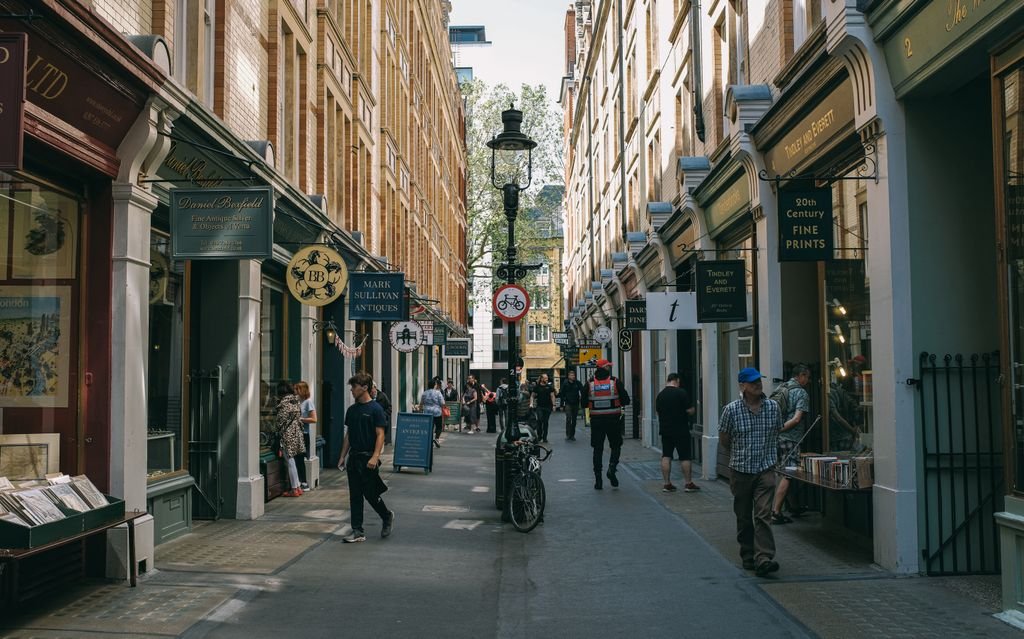
Cecil Court, off Charing Cross Road. It’s a pedestrian alley running between Charing Cross Road and St Martin’s Lane — you could walk past the entrance and never know it was there, which is part of the point. It feels like another century in the best possible way, and you can spend a very pleasant hour going in and out of shops without buying anything and feeling completely satisfied with your afternoon.
Hatchards — covered above, but worth repeating that its age (1797) gives it a different kind of gravity to the other shops on this list.
Gay’s the Word — covered above. Non-negotiable addition to any bookshop day.
The South Bank Book Market under Waterloo Bridge — nearest tube is Waterloo or Embankment, and it runs most days along the riverside — has been there for decades and is one of those London things that remains genuinely, unironically good. Second-hand, affordable, unpredictable.
This is a deeper dive into my favourite London bookshops.
Highgate Village: My Personal Cardio Route
I grew up nearby, so Highgate holds a place in my heart that’s difficult to be objective about. Here is what I actually do when I need a Bookish London kind of day.
Arrive at Highgate station on the Northern line. Walk through the cemetery — say hello to the greats, because this is where George Eliot, Douglas Adams, and Karl Marx are buried, among many others, and it is genuinely one of the most beautiful walks in north London. Take the detour to the Highgate Bookshop — small, good, the kind of bookshop that a neighbourhood should have. Pick up something.
Then hike up to the Spaniards Inn. This pub on the edge of Hampstead Heath is mentioned in both Dracula and The Pickwick Papers, and is rumoured to have been a haunt of highwaymen. The walls do not, in fact, talk — but if they did, they would have extraordinary stories. Have lunch. The Fish and Chips is delightful.
After that: pick up some drinks, find a good spot on Hampstead Heath with a view, and read whatever you just bought from the bookshop. This is the whole point. This is what luxury actually looks like. An afternoon where your phone is in your bag and you’re somewhere beautiful with a book and no particular reason to be anywhere else.
One last Hampstead note: if you happen to be watching Tenet for the twentieth time (no judgement), Gerald du Maurier’s blue plaque is covered by a school sign in the film. It doesn’t show up. I have wondered about the decision-making process behind this more than I’d like to admit.
Bunhill Fields
Most people, when they think about London literary graves, think Highgate. Highgate is magnificent. But Bunhill Fields which is a Nonconformist burial ground just off City Road in Islington, five minutes from Old Street tube, is my second favourite cemetery, and it’s one of the most overlooked.
Buried here: John Bunyan (The Pilgrim’s Progress), Daniel Defoe (Robinson Crusoe), and William Blake. If you go on the right day, you’ll find small tokens left on top of Blake’s gravestone: coins, flowers, notes, jewellery, the occasional oddity. People still come to pay their respects to the man. That is not nothing. That is, in fact, rather moving.
The Quentin Blake Museum
Quentin Blake is Roald Dahl’s illustrator — the visual language through which most of us first experienced The Twits, Matilda, The BFG. The House of Illustration (now operating as the Quentin Blake Centre for Illustration) in Clerkenwell, and I was fortunate enough to be invited to the grand reopening.
It is a small building doing very large things. Exhibitions change throughout the year. If you have any attachment at all to illustrated books, be it children’s literature, graphic novels, editorial illustration, comics even, then it is worth building your Bookish London day around this.
The Longer Game: Neighbourhood Deep-Dives to Come
This is the overview. But some of these places deserve their own afternoon, and their own article. Coming: a proper Bloomsbury literary walk (the full circuit, with all the squares and the plaques and the coffee stops). The Southbank’s literary geography. The Shakespeare trail through the City. And the Highgate day as a proper guide, for those who want to borrow my cardio route.
Enjoyed this? These deep-dives are coming: